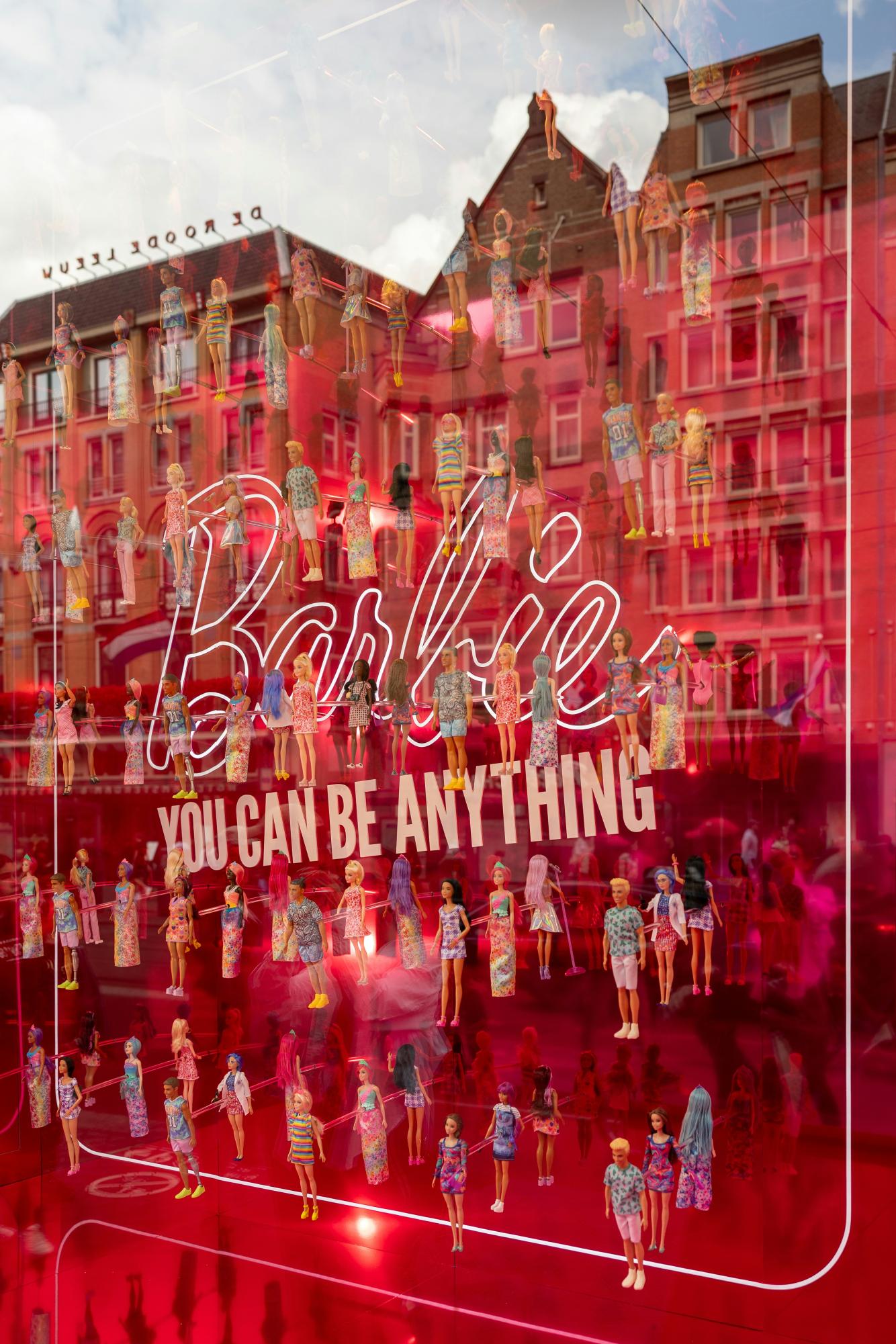

On Jan. 11, 2026, global toy maker Mattel, Inc. introduced the very first Autistic Barbie doll — a groundbreaking addition to its iconic Barbie Fashionistas line created to reflect the diversity of children’s lives around the world.
The Autistic Barbie was created over more than 18 months in close collaboration with the Autistic Self Advocacy Network (ASAN), a nonprofit organization run by and for autistic people to ensure authentic insight and meaningful design input at every stage. The design team intentionally incorporated elements that mirror sensory preferences, communication methods and everyday tools familiar to many autistic individuals.
One of the most noticeable design choices is the doll’s slightly averted eye gaze, a subtle detail meant to represent how some autistic people prefer to avoid direct eye contact, which can be uncomfortable or overstimulating for them. The doll’s arms, with fully articulated elbows and wrists, allow children to pose Barbie’s hands in ways that reflect movements such as hand flapping or “stimming,” a form of self-regulation that can be calming or expressive for many on the spectrum.
Accessories play a central role in this inclusive design. Autistic Barbie wears pink noise-cancelling headphones to symbolically represent tools neurodiverse children might use to lessen sensory overload in busy environments. She also holds a pink fidget spinner, reflecting a familiar sensory item that can help some children focus or manage stress. Additionally, the doll carries a tablet displaying augmentative and alternative communication (AAC) apps, an assistive communication tool used by many non-verbal or differently verbal autistic individuals to express themselves.
Even her clothing was designed with sensory comfort in mind. A loose-fitting purple pinstripe A-line dress with short sleeves and a flowy skirt minimizes fabric-to-skin contact, and her flat-soled shoes promote stability and ease of movement.
Mattel’s global head of dolls, Jamie Cygielman, emphasized that this Barbie is part of a broader effort to ensure every child can “see themselves in Barbie” by reflecting the rich diversity of human experience. Indeed, the Autistic Barbie joins a growing lineup of diverse dolls, including those with Down syndrome, Type 1 diabetes, blindness, prosthetic limbs and varied body types, as Barbie continues to evolve beyond traditional norms.
The response to Autistic Barbie has been largely positive, with advocates and families celebrating the doll’s representation and its potential to normalize neurodiversity in play. However, some critics within the autistic community caution that no single doll can fully capture the diversity of autistic experiences, reminding audiences that individual traits vary widely.
Nevertheless, the release of Autistic Barbie marks a meaningful moment in toy history. One that not only broadens the range of experiences reflected on toy shelves but also encourages conversations about neurodiversity, empathy and inclusion among children and adults.