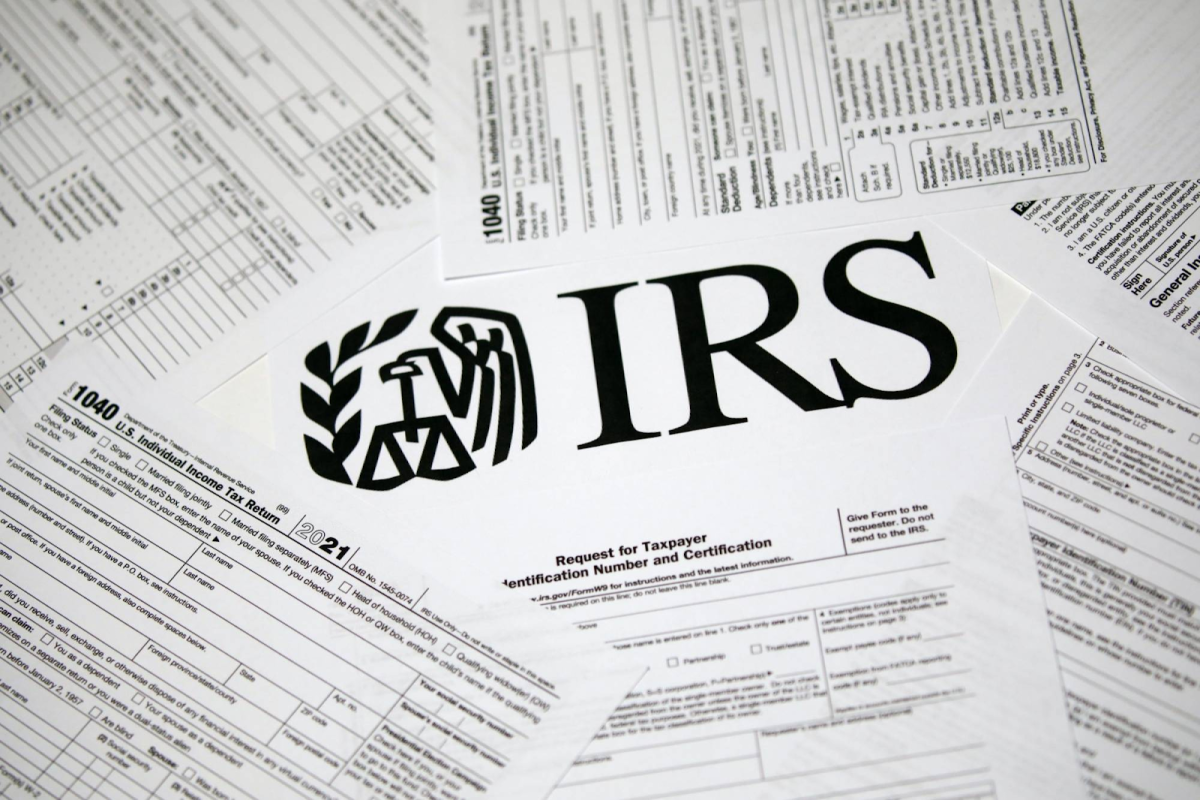
The 2026 tax season has opened with an April 15 deadline. The Internal Revenue Service, known as the IRS, is operating with its smallest workforce in years alongside having one of the most complex filing seasons, according to reports from federal agencies released in late January.
The IRS lost around 27% of its workforce in 2025, which leaves the agency with about 74,000 staff members. This is down from 102,000 members at the start of last year. The nearly 30% difference will be shown this year with 164 million individual tax returns expected alongside the implementation of extensive retroactive tax law changes mandated by the One Big Beautiful Bill Act passed in 2025 under Trump’s administration.
The 22% reduction happened inside the IRS in the Taxpayer Service division, which handles mostly customer support and return processing. The IT department responsible for programming the IRS system itself reflects the new tax laws, seeing a 27% cut in personnel. Ironically, at the same time a new tax system was implemented, there was a significant downsizing of the same department.
This change in the system and the department not only affects the current tax year but also the backlog that has already been collecting. Paper tax returns awaiting processing jumped from 52,293 in December 2024 to 294,052 in December 2025. This is a 460% increase that clearly shows the strain on IRS operations.
The work that has not been finished will be passed on to the next year, which will strain the offices even further. During the fiscal year of 2025, the IRS took an average of over 13 months regarding business returns and five months for individual returns. Additionally, there seems to be a huge backlog of identity theft victim assistance cases.
Alongside the huge cutback on personnel, the 2026 filing season introduces new tax provisions that apply retroactively to the 2025 tax year. This will create additional challenges for the taxpayer and the IRS, especially with the staff shortage.
While there have been efforts to bring on seasonal employees for the tax season, it is facing significant delays. The office was approved to hire approximately 3,500 employees, but at the end of the year only 66%, or 2,300 employees, had been onboarded. Although these seasonal employees will help digest some of the workload, it is pretty insignificant compared to the workforce that has been cut off. Alongside this, there have been technology modernization efforts to streamline operations, which could lead to a more efficient and less labor-consuming office. At the same time, new systems have been deployed, which means that the IRS cannot solely rely on technological improvements to compensate for reduced staffing, especially for the current tax year.
The combination of reduced staff, growing backlogs and complex tax laws will create an unprecedented challenge for both the office and the individuals for the 2026 filing season. While the IRS continuously processes the incoming returns efficiently, taxpayers should expect some problems to occur and might face significant delays in receiving assistance or resolving issues regarding their returns.