At DePauw, Greek life is often defined by what is most visible: large recruitment banners, packed houses and glamorous outfits. Recruitment for Greek life itself is often synonymous with the word “rush.” But for students seeking a sisterhood or brotherhood rooted in culture, advocacy and identity, belonging can look a little different.
The Multicultural Greek Council (MGC) serves as the governing body for culturally-based Greek letter organizations, including the Resilient Wujimu Chapter of Mu Sigma Upsilon Sorority, Inc., the Psi Chapter of Omega Phi Beta Sorority, Inc. and the Elegua Chapter of Lambda Sigma Upsilon Latino Fraternity, Inc. While these organizations are anchored in cultural traditions, they are not culturally exclusive. Instead, they center exploration of identity and community in ways that expand what Greek life can mean.
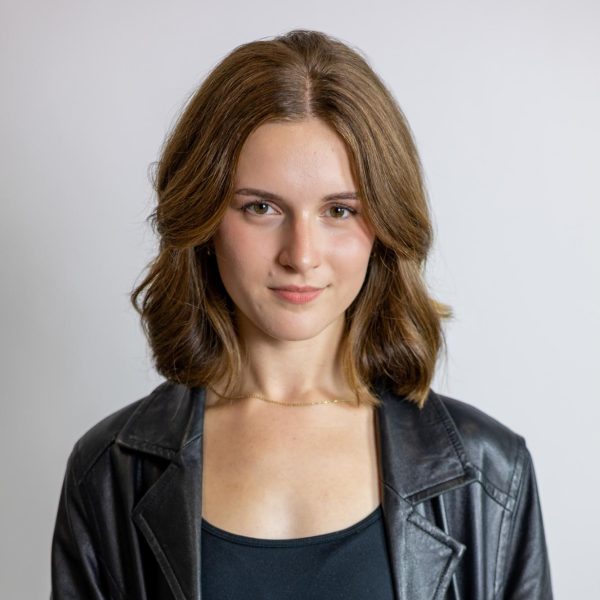
For Vriseida Lima ‘26, MGC is more than a council — it is, as she describes, “my home away from home.”
As a Bonner Scholar, Posse Scholar and former member of the Committee for Latinx Concerns, Lima pledged Mu Sigma Upsilon in the spring of her freshman year. Now, as MGC president, she works to increase awareness of these organizations that are smaller in size but significant in impact. “It’s about knowing that you found your place on campus where you can belong and show all sides of your identity, whether it be culturally or personally,” Lima said.
For Lima, belonging means showing up fully as oneself. That message, however, often begins with addressing a common misconception.
“A lot of times, people are like, ‘Do I have to be Hispanic to join these organizations?’ You don’t,” she said. “You can have any sort of different cultural background to be a part of these organizations. It’s really about being able to explore your cultural identity, show it more and share it with other organizations.”
Lambda Sigma Upsilon and Omega Phi Beta are Latino-based organizations, she explained, but not Latino-exclusive. Mu Sigma Upsilon is the first multicultural sorority in the nation. Membership is open to students committed to the mission and values of each chapter, regardless of background.

“With our organizations, anybody is welcome to join them,” Lima said. Inclusivity also extends to gender and sexuality. “For my organization, we cater to anybody that’s self-identifying as a woman. That doesn’t mean you have to be biologically female,” she said. “A lot of MGC organizations are very inclusive. Regardless of your sexual background and so forth, you can still be a member of these organizations, and you can still showcase that side of you as well.”
Lima emphasized that members are encouraged to bring their full identities into the space.
“That’s the whole point,” she said. “When we say we want you for who you are and holistically for your whole being, we genuinely mean it. We’ll always accept every single part of you, regardless of what it is.”
Recruitment within MGC reflects that intentionality. Throughout the fall semester, MGC and the National Pan-Hellenic Council host information sessions for students interested in learning more. Potential new members meet brothers, sisters and alumni before entering a more private intake process that varies by chapter.
“People tend to get scared of the unknown when it’s really not that scary,” Lima said. “We like to say our processes are meant to help us grow as individuals. There’s really no need to showcase much of what it looks like until the end.”
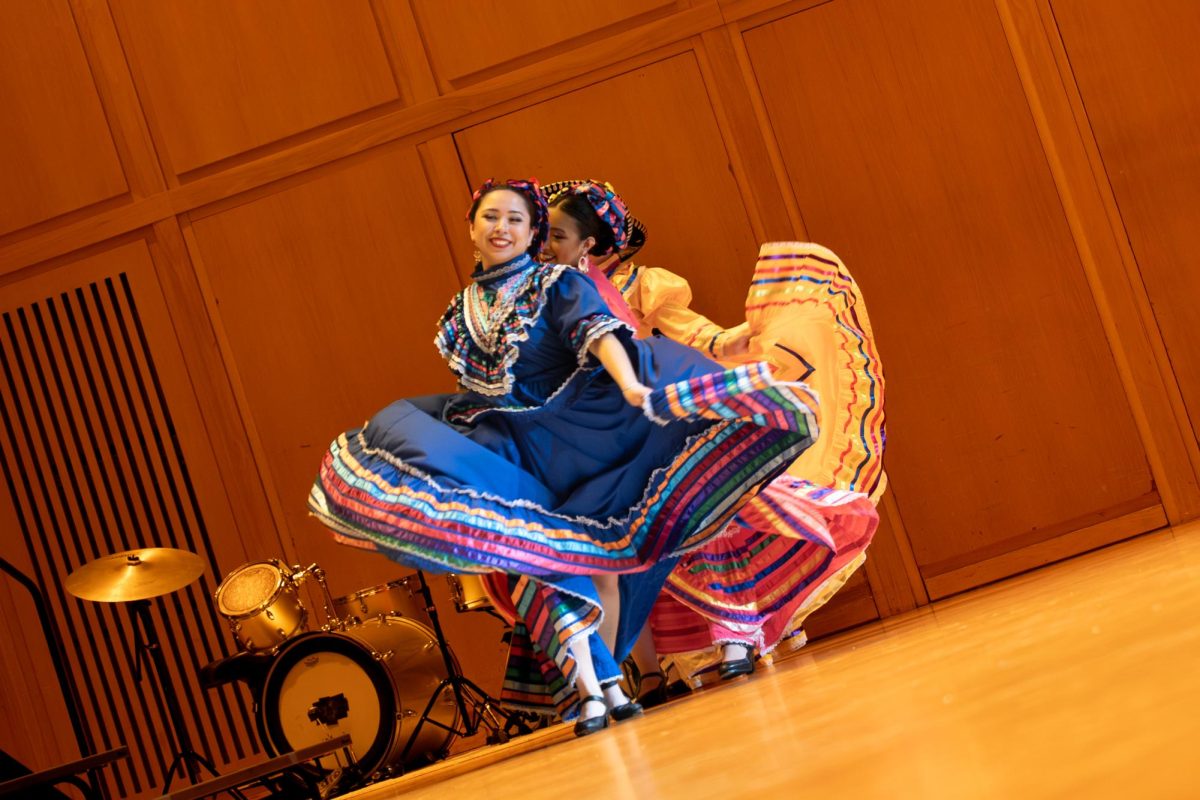
Connection with MGC commonly takes shape through programming designed to bring cultures into conversation — often through food. The council helps to host events like “Taste Around the World” and additional educational programming, such as an event on chopstick etiquette last semester.

“Food is a great way to communicate,” Lima said. “For me, it’s one form of my love language. I love cooking for other people, so being able to showcase that through our events is very important.” Through these programs, MGC organizations aim not only to celebrate their own cultures but also to create opportunities for cross-cultural learning.
“Despite our cultural differences, we’re still going to support one another, and we’re always wanting to continue learning about each other’s cultures,” Lima said.
Still, visibility remains a challenge. “At the end of the day, because we are smaller organizations, we do often get overshadowed by Panhellenic and IFC.” Many MGC members are heavily involved in other areas of campus life, balancing leadership roles, service commitments and academic demands. The council continues to look for ways to collaborate with DePauw administration, Fraternity and Sorority Life and Campus Activities to strengthen its presence.
For students unsure whether MGC is for them, Lima encourages openness and curiosity rather than assumptions.
“If you are an individual who wants to be a part of a community that likes to advocate for other communities, then also look into MGC and NPHC organizations,” she said. “It’s going to be a space in which not only are you able to continue to explore yourself, create a new family and bond, but it’s also going to be a space where you are able to bring those programs to campus.” At the same time, she emphasizes that belonging does not require Greek affiliation.
“Exploring your options is really important. Sometimes it just starts by attending one of those events,” Lima said. “If, at the end of the day, you realize Greek life isn’t for you, then that’s perfectly fine. You don’t have to be part of Greek life at DePauw in order to find your sense of belonging because you’ll find your belonging in whatever community.”

For Lima, MGC’s values are reflected in the college experience itself. “You should want to embrace the unknown and want to learn more because I think that’s also what college is all about,” she said.
For those who may not realize MGC exists or who assume it is not meant for them, Lima’s message is simple. “We’re here. Yes, we’re small, but we’re still here. You can always find your place here, no matter what.”